Form follows function, follows feeling
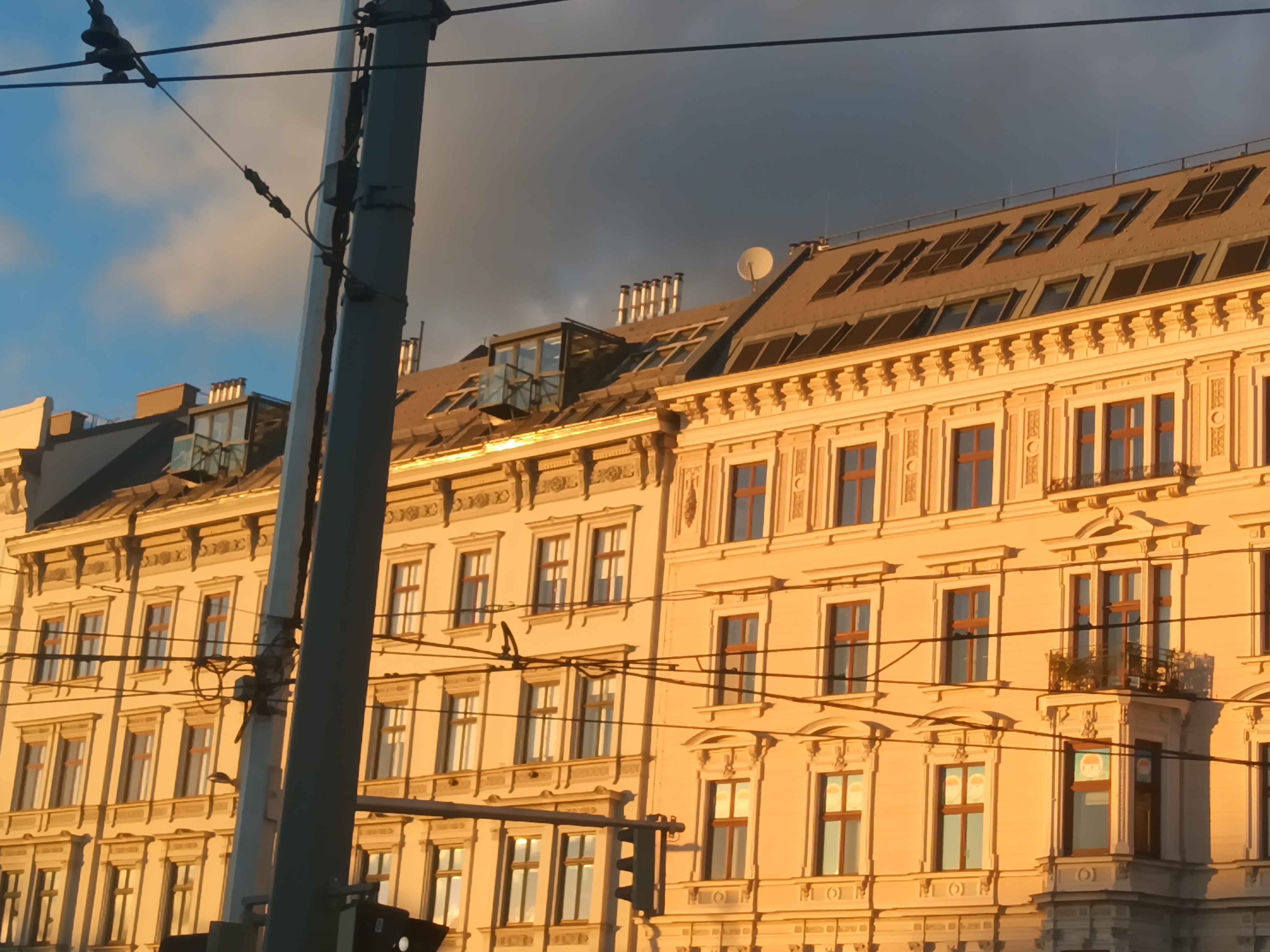
If you have ever been to Vienna, chances are that one of the lasting memories you took from that trip is the cities beautiful ornamental architecture. Gothic churches, Neo-historic building facades, the famous Ringstraße-Buildings.
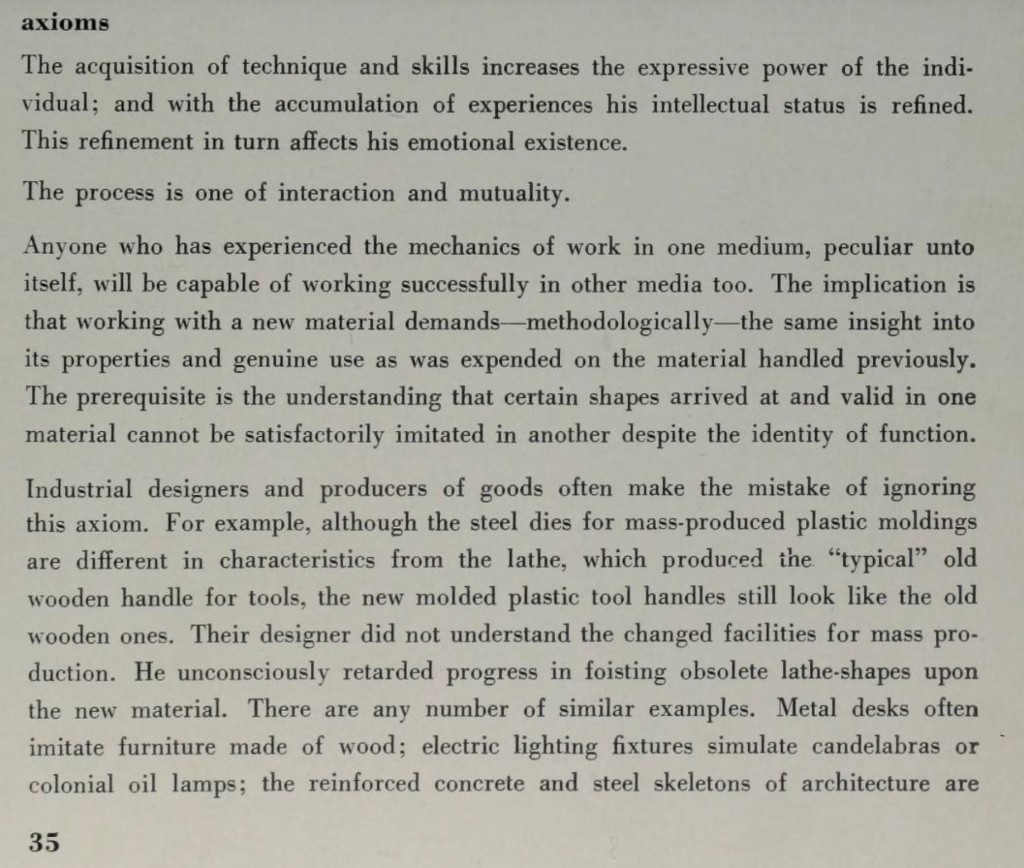
Vienna was not only the place where ornament reached its peak, but also where it was declared unnecessary. Adolf Loos stood up in 1908 and said ornament was a waste of time, money, and labor. A plain chair could last decades; an ornate one went out of style in years. He believed true beauty came from proportion, material, and use - not surface decoration.
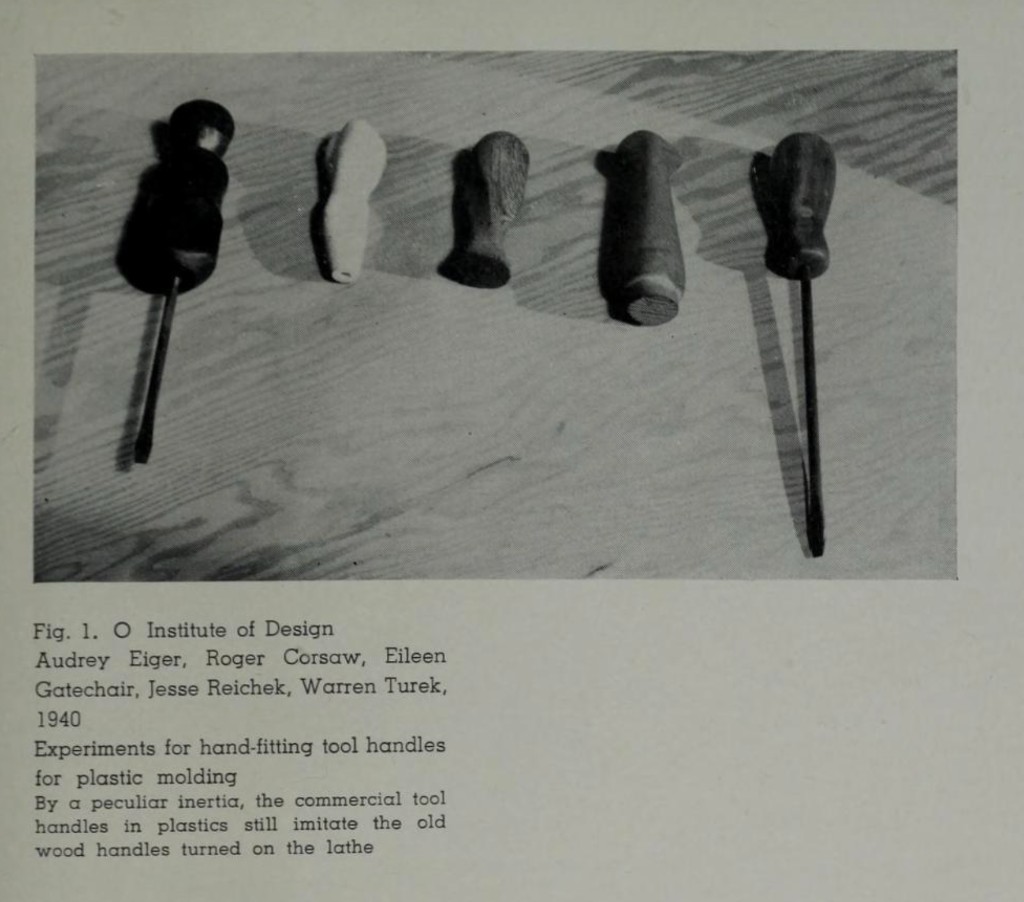
That idea spread. It shaped Bauhaus, Braun, and later the golden years of Apple. The principle was clear: form should follow function. Reduce things to what they need to be and beauty will show itself.
This way of thinking influenced much of the 20th century. Over time, functionalism spread far beyond architecture. Into machines, into digital platforms, into the apps we use each day. Chances are that if you attend an intro course at design universities today, they will still teach you this guiding principle.
We got very good at it. Remarkably good. The principles worked - we built more housing, made tools more accessible, solved important problems. The functionalist victory was so complete we barely notice it anymore. Our cities, tools, and interfaces all speak the same language: clarity, purpose, efficiency, minimalism.
And yet, we also seem to have lost something along the way - our culture often feels thinner now. Yes, our lives became easier, yes we built more apartments and solved many important problems, but huge parts of our generational work seems to be lacking “soul”. We laugh about contemporary art like a banana on a wall, and are driven by nostalgia. We listen to songs from many decades ago, admiring paintings, buildings, designs from many centuries ago.
In comparison our generations mainstream culture feels flat, predictably enjoyable, designed to predictably make money. Movies made to please, songs made to repeat, apps made to capture attention. Useful, yes - but less nourishing. We became good at building for the head, less so for the rest of the body.
We spend more time looking at images of beautiful places than being in them. We interact with hundreds of strangers online, yet we became strangers in our own city. We admire Renaissance sculptures in museums but can't name a living sculptor. Tumblr accounts say we have lost god, and thus with Him our ability to build cathedrals that challenge those of ancient periods.
But as they say, there are cathedrals everywhere for those with eyes to see. Our world can only make sense if you experience it in its wholeness, instead of trying to live full, meaningful days through a keyhole.
In German, sinnvoll means meaningful. But literally, it means “full of senses.” Maybe what some would call a generational crisis of meaning is really just a crisis of over thinking, ruminating, of neglecting to live wholly. Most things today force us to process the world in our heads. We need to uphold ever more complex abstractions to keep up with a more and more complex society.
We waterboard our brain with information and wonder why we feel like shit. Our heads are overwhelmed, so we zone out and end up sleepwalking through life - thinking about meaning instead of noticing it. When therapists help overwhelmed patients ground themselves, they don't ask them to think harder or look harder - they ask them to name five things they can see, four they can hear, three they can touch.
Can we blame people for feeling stressed, irritated, agitated, “off” or meaningless, when today’s tools, environments and art is neglecting the richness of their senses? Can we blame them for not knowing that fast food is bad for them, that social media is making them more depressed? When the bright lights we use in schools make us stressed, that watching social media all day literally rewires our brain chemistry for the worse.
Science figured out a great deal not only about the mind, but about the rest of the body. Why good sleep is so amazing, why good food literally makes us happy. That ornamental architecture is not good for us because it is “pretty”, but because it calms our bodies because to its nature like patterns.
Why not utilise it more?
Imagine chairs designed not just for sitting, but for how they feel against your back, how their texture calms your nervous system. Digital tools that don't just solve problems efficiently, but consider how they make you feel after using them - energised or drained, connected or isolated. Buildings that engage all your senses - not just picture-ready facades, but spaces with natural acoustics, materials that age beautifully under human touch, proportions that feel right in your body. What would a social media platform look like if it were designed to make you feel more connected to your physical community? A productivity app that actually made you feel accomplished rather than anxious?
Point is, we need to start living fuller lives, outside our head. We cannot think our way into meaning. Thinking is part of it - analysis, problem-solving, rational progress all matter. But thought on its own is brittle. It loops back on itself, creating signs about signs until we become “lost in a world of signs, forgetting what they signify”. Our brain needs to ground itself with what it receives from its senses - sight, sound, touch, taste, smell. Without them, thinking has nothing to hold onto and we spiral into rumination, only ever getting closer to another thought, never a lived moment out there in the real world. For years I thought instead of lived. But thoughts are not life. Life only shows itself when you’re awake to it.
So in short. The metalayer is a trap, get outta there. Touch grass. Practice the art of noticing.
Maybe the next step for builders, artists and doers is simple: to design not only for function, but for wholeness. To let form follow function, and function follow feeling. To build things that outlast thought.
Maybe our tools, screens, digital information, technology, buildings can be be made more humane and, in turn, make us more humane.
We need to remember that a meaningful life - a 'sinnvolles Leben' - a life full of senses, can’t be achieved through thinking itself. We simply need to live.
So I ask you: Are you awake? Are you truly present? What would happen if your brain’s language setting would suddenly switch to chinese and best of all, without you being able to understand it? What remains? When and IF the fog clears, do you see with eyes unclouded by thoughts? Are you seeing the people around you or are you staring back into your thoughts? Was your struggle so far a fight fought in thought?
The ornament wasn't the crime. The crime was forgetting we have bodies, senses, and hearts that need more than mere function to flourish.
Form follows function. Function follows feeling. And feeling follows being awake :)